
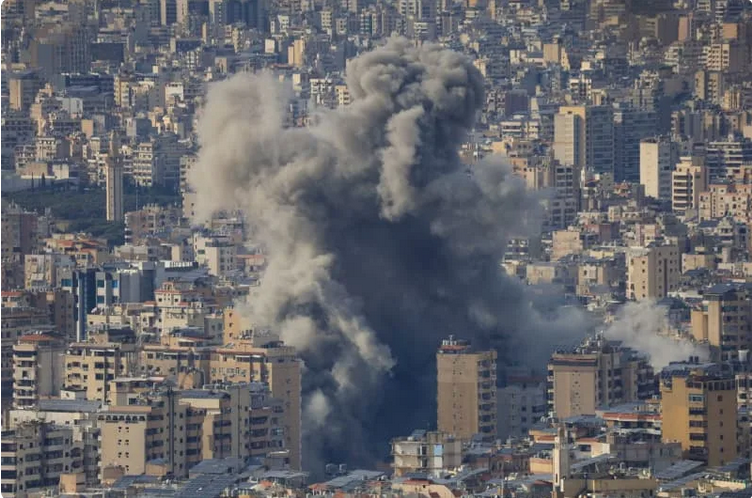
👉 Many Bible readers notice a tension between passages that promote peace and others that describe or even command war. In some sections, scripture urges believers to love their enemies and seek peace. In other parts, especially in the earlier books of the Bible, war against enemies appears to be approved by God. This raises an important question: does the Bible teach conflicting moral principles, or are these passages better understood within their historical and theological context?
📌 1. War in the Old Testament
The “Old Testament” contains several stories where the people of Israel engage in warfare. These accounts take place in a very different historical context from today. Ancient societies were often organized as tribal or small nations that fought for survival against stronger neighbors. Warfare was common throughout the ancient Near East, and nations often viewed their military victories or defeats as religious events.
Some biblical books, such as Joshua, describe the conquest of territories that Israel believed were promised to them by God. Other books, including Judges and 1 Samuel, record conflicts between Israel and neighboring peoples. These stories often depict war as part of a specific historical moment when Israel saw itself as carrying out divine judgment or defending its existence.
However, even within the Old Testament, there are strong voices calling for justice, mercy, and peace. Prophets such as Isaiah envisioned a future when nations would completely abandon war. In Isaiah 2:4, the prophet famously describes a time when people will “beat their swords into plowshares and their spears into pruning hooks.” This vision indicates that the ultimate goal of God’s plan is not endless conflict but lasting peace.
📌 2. The Teachings of Jesus and the New Testament
In the “New Testament,” the message shifts noticeably with the teachings of Jesus Christ. Jesus consistently stresses love, forgiveness, and reconciliation. His teachings in the Sermon on the Mount challenge the cycle of retaliation that often fuels human conflict.
For example, Matthew 5:9 declares, “Blessed are the peacemakers, for they shall be called children of God.” In Matthew 5:44, Jesus goes even further by instructing his followers to “love your enemies and pray for those who persecute you.” These teachings encourage believers to respond to hostility in a radically different way.
The apostle Paul also emphasizes peace in his letters. In Romans 12:18, he writes, “If it is possible, as far as it depends on you, live at peace with everyone.” Paul reminds believers that revenge ultimately belongs to God rather than to individuals.
The New Testament does not depict Christians fighting wars for God. Instead, the early Christian community emphasized spiritual growth, forgiveness, and reconciliation even during persecution.
📌 3. Progressive Revelation in Christian Thought
Many Christian theologians see the idea of progressive revelation as a way to interpret the Bible. This concept suggests that God’s will and character are revealed gradually throughout Scripture, reaching their fullness in the life and teachings of Jesus.
According to this perspective, the earlier war stories in the Old Testament represent a specific stage in the spiritual and historical development of God’s people. Over time, the biblical message shifts toward a deeper understanding of justice, mercy, and peace. The teachings of Jesus become the primary way Christians interpret the rest of Scripture.
For this reason, many Christians believe that the Bible’s ultimate moral message points toward reconciliation rather than violence.
📌 4. Christian Interpretations of War
Although the New Testament strongly emphasizes peace, Christians have not always agreed on how to implement these teachings in conflicts. Over time, different traditions have created various methods.
One influential framework is Just War Theory, developed by thinkers like Augustine of Hippo and later expanded by Thomas Aquinas. This theory argues that war can be morally acceptable under very strict conditions, such as self-defense, protecting innocent people, and the use of proportional force.
Other Christians adopt a different view, believing that Jesus’s teachings call believers to complete nonviolence. These Christians highlight passages about loving enemies and turning the other cheek, viewing them as a clear rejection of violence.
The variety of these interpretations indicates that the link between biblical teachings and real-world conflicts continues to be a highly debated topic within Christian thought.
📌 5. Understanding the Tension
Instead of seeing the Bible as simply contradictory, many scholars argue that the tension between war and peace shows the complexity of human history and the gradual development of moral understanding within Scripture. The Bible is not one book written at a single time, but a collection of writings created over many centuries in different cultural and political settings.
Because of this, some passages reveal the harsh realities of ancient societies, while others point toward a higher moral vision. The prophetic hope for peace and the teachings of Jesus ultimately challenge humanity to move beyond cycles of violence and revenge.
📌 6. Final Thought
The Bible includes both stories of war and powerful calls for peace. While the Old Testament features narratives of conflict within the historical life of ancient Israel, the New Testament emphasizes forgiveness, reconciliation, and love for enemies. For many Christians, the teachings of Jesus clearly express God’s will, encouraging believers to seek peace whenever possible.
The tension between these passages encourages deep reflection rather than quick conclusions. Ultimately, the biblical story points toward a vision where peace, justice, and compassion triumph over violence—a vision that continues to challenge believers across all generations.