
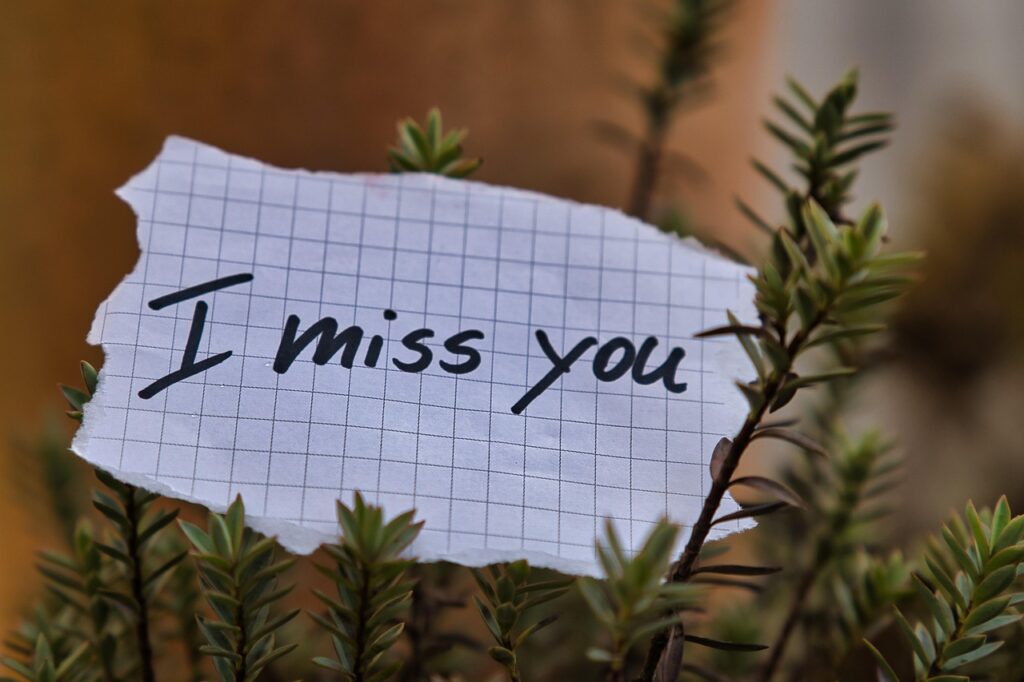
No one knows the exact number, but historians estimate that more than 100 billion people have lived and died since our species first walked the Earth.
One hundred billion stories.
One hundred billion faces.
One hundred billion final breaths.
And if each life was loved — even by one person — then grief has encircled this planet at least one hundred billion times.
Every death leaves a wake. A mother burying a child. A husband standing in the silence of a house too large. A sister folding clothes that will never be worn again. Empires rise and fall, cities burn and rebuild, yet grief remains humanity’s most universal inheritance.
We often think our sorrow is singular — that the weight in our chest is unmatched in history. Yet somewhere in ancient Mesopotamia, a father wept into the dust for his son. In medieval villages, women keened at graves beneath gray skies. Through plagues, wars, migrations, and quiet, ordinary Tuesdays, someone has always whispered, “Why?” into the dark.
Grief is older than language. It predates scripture, borders, and governments. It is stitched into the human condition. To love is to silently accept that we will mourn one day.
And yet, there is something strangely holy in that universality. If billions have endured loss before us — if billions have carried broken hearts and still risen the next morning — then grief is not proof that life is meaningless. It is proof that love was real.
Every tear ever shed belongs to a vast ocean of tears shed before. You are not alone in your sorrow. You stand in a long, unbroken line of the bereaved — stretching back thousands of years — all of us learning the same impossible lesson:
That love does not disappear when a body does.
That absence can be louder than presence.
That grief is not something to conquer but to carry.
More than 100 billion have died. Countless trillions have grieved. And still, humanity continues to love— knowing the cost.
Perhaps that is our quiet courage.